
Understanding the psychological triggers that influence gambling behavior
The Role of Emotion in Gambling
Emotions play a significant role in influencing gambling behavior. The thrill of anticipation can create a rush, which often leads players to engage more deeply in gambling activities. This excitement can activate the brain’s reward system, releasing dopamine, a neurotransmitter associated with pleasure. For instance, when exploring options, players might consider Casoola casino, as the more intense the emotions experienced, the more likely individuals are to continue gambling, even in the face of losses. This emotional rollercoaster often clouds judgment and can lead to compulsive gambling.
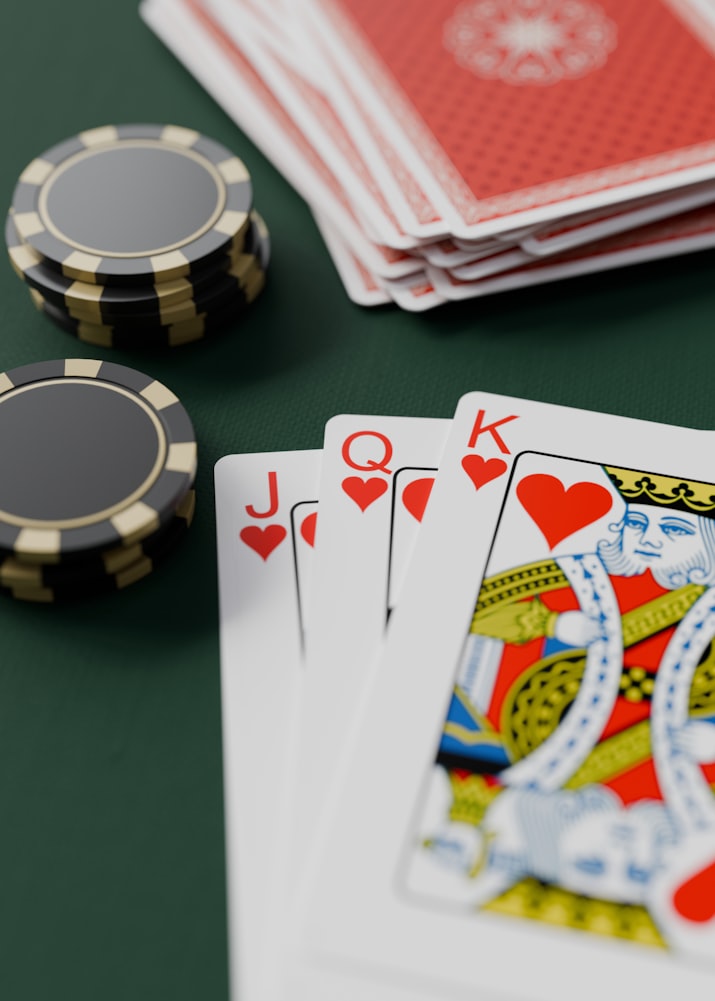
Moreover, different emotions can have varying effects on gambling behavior. For instance, individuals who gamble when feeling stressed or anxious might use it as a coping mechanism. The hope of winning can provide temporary relief from negative feelings. Conversely, those who experience joy and satisfaction during gambling may tend to take greater risks, viewing each bet as a potential pathway to more happiness. Understanding this emotional aspect can help individuals recognize their triggers and develop healthier gambling habits.
The interplay between emotion and gambling extends to social factors as well. Gambling is often portrayed as a social activity, whether in casinos or online platforms. The communal atmosphere can amplify emotions, leading to an enhanced gambling experience. Peer pressure and the desire for acceptance can drive individuals to gamble more than they typically would, intensifying emotional reactions. Recognizing how these social dynamics shape gambling behavior is crucial for both players and those supporting them.
Cognitive Biases in Gambling
Cognitive biases significantly influence how individuals perceive their chances of winning. One common bias is the “gambler’s fallacy,” where players believe that past outcomes affect future results. For instance, someone might think that if a slot machine has not paid out recently, it is ‘due’ for a win. This misconception can lead to persistent gambling despite a lack of rational basis, perpetuating a cycle of loss and hope. Understanding this bias can help individuals reassess their strategies and expectations.
Another cognitive bias affecting gambling behavior is the illusion of control. Players often overestimate their ability to influence outcomes, especially in games that require skill, like poker. This belief can lead them to take on more significant risks, believing they have a better chance of winning than they actually do. Such cognitive distortions can result in significant financial losses and increase the likelihood of developing problematic gambling habits.
Awareness of these cognitive biases can pave the way for more rational gambling practices. By educating themselves on how these biases operate, players can make more informed decisions, ultimately reducing the potential for harm. Techniques like mindfulness can be employed to counteract these biases, encouraging players to pause and reflect on their choices rather than acting impulsively based on flawed perceptions.
The Impact of Environment on Gambling Behavior
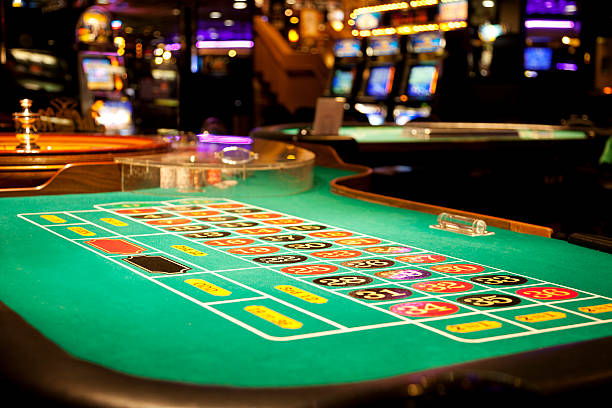
The environment in which gambling occurs plays a crucial role in shaping behavior. Factors such as lighting, sound, and even the layout of a casino can significantly impact a player’s experience. For instance, bright lights and engaging sounds are designed to stimulate excitement and encourage prolonged play. This sensory overload can alter a player’s perception of time and money, making it easier to lose track of both and leading to increased gambling sessions.
Online gambling environments also carry unique influences. The convenience of accessing online casinos from home can lead to more frequent gambling without the social cues present in physical casinos. This anonymity can remove barriers to responsible behavior, making it easier for players to engage excessively. Understanding how the environment affects decision-making can empower players to create healthier boundaries when gambling, whether online or in-person.
Moreover, social influences in both environments can affect gambling behavior. Friends, family, and even social media can normalize excessive gambling, portraying it as an acceptable leisure activity. These influences may encourage individuals to gamble in ways they might not consider if acting independently. Recognizing these external pressures is essential for individuals seeking to establish a healthier relationship with gambling.
The Role of Rewards in Gambling Psychology
The psychological principle of rewards plays a pivotal role in gambling behavior. Many games are designed to provide intermittent rewards, triggering the brain’s reward pathways. This phenomenon, often referred to as the “variable ratio reinforcement schedule,” means that players may not win consistently, but the occasional win can create a powerful urge to keep playing. This mechanism is similar to how addictive substances affect the brain, reinforcing the behavior despite potential harm.
The anticipation of a reward can also be intoxicating. Players often experience a heightened sense of excitement leading up to a potential win, amplifying their desire to gamble further. This anticipation can create a cycle where even small wins are celebrated, encouraging continued play. Unfortunately, this cycle can also lead to rationalizations about losses, as players may convince themselves that they are “just one big win away” from turning their luck around.
Understanding the reward structure of gambling can help individuals recognize when they are being driven by these psychological triggers. By becoming aware of the allure of rewards, players can work on strategies to mitigate impulsive decisions and regain control over their gambling habits. For example, setting clear limits on betting amounts or seeking support from others can help break this cycle of reinforcement.
Casoola Casino: A Responsible Gaming Approach
Casoola Casino offers a robust platform for players seeking an exciting yet responsible gaming experience. With a wide array of games, including over 10,000 slot options and various live dealer tables, it caters to diverse preferences while prioritizing player safety. Recognizing the psychological triggers influencing gambling behavior, Casoola Casino implements various measures to promote responsible gaming. This includes setting deposit limits and providing tools for self-exclusion.
The casino also emphasizes the importance of education regarding gambling psychology. By providing resources and support, players can gain insights into their behavior, allowing them to make informed choices. With 24/7 customer support, Casoola Casino ensures that help is always available for those who may be struggling with their gambling habits.
Overall, Casoola Casino aims to create a secure and enjoyable gaming environment. By fostering an understanding of the psychological triggers that influence gambling behavior, players can better navigate their gaming experiences and make healthier choices. Engaging in responsible gambling practices not only enhances individual enjoyment but contributes to a positive gaming community.